Connect With Our Team


Solar Subsidy in Gujarat: How to Apply, Eligibility, Benefit
Jun 05, 2026
1329 View
Solar Subsidy in Gujarat: How to Apply, Eligibility, Benefit

Gujarat has become one of India’s leading states in solar adoption, thanks to strong policies and growing industrial demand. Whether you are a homeowner or a manufacturer, understanding the solar subsidy in Gujarat can help you reduce energy costs and improve long-term savings. With support from state and central programs, solar power is now more accessible than ever.
This guide explains everything you need to know about solar subsidy, including eligibility, application steps, benefits, and how businesses can take advantage of industrial solar opportunities.
Overview of Solar Subsidy in Gujarat

The Gujarat government, along with the Gujarat Energy Development Agency (GEDA) and MNRE rooftop solar subsidy India programs, has built a strong ecosystem for solar adoption. The state promotes clean energy through incentives, net metering, and simplified approvals.
The Gujarat solar incentive program covers:
-
Residential rooftop systems
-
Commercial and industrial rooftop solar subsidy Gujarat
-
Net-metered on-grid systems
While residential users receive direct subsidies, businesses often benefit through tax advantages, accelerated depreciation, and reduced power costs.
Types of Solar Subsidy Schemes Available in Gujarat
Gujarat Rooftop Solar Subsidy Scheme
This scheme mainly targets residential users under the MNRE CFA model. Subsidy is offered based on system size, making small rooftop systems more affordable.
-
Applicable for grid-connected systems
-
Direct bank transfer after installation
-
Managed through the national portal
Solar Subsidy for Businesses and Industries
The solar subsidy in Gujarat for industries works differently than residential benefits. Instead of direct subsidies, industries gain through:
-
Lower electricity bills via net metering
-
Accelerated depreciation benefits
-
State-level incentives under GEDA solar policy Gujarat
Businesses can choose between:
-
Captive solar systems
-
Third-party PPA models with no upfront cost
This makes solar panel subsidy Gujarat for businesses more about financial optimization than upfront grants.
Ceramic Tile Factories & Manufacturers
Gujarat’s ceramic hub, consumes large amounts of energy. Installing solar systems helps reduce operational costs significantly.
Solar subsidy for ceramic tile factories in Gujarat becomes highly attractive due to:
-
High daytime energy usage
-
Large rooftop areas
-
Fast return on investment
Factories often recover costs within a few years while gaining energy stability.
Gujarat Solar Subsidy Eligibility Criteria
Who Can Apply?
The Gujarat solar subsidy eligibility criteria depends on the user type:
-
Residential homeowners
-
MSMEs and commercial units
-
Large industrial facilities
Technical Eligibility
To qualify, systems must meet specific technical standards:
-
On-grid rooftop solar Gujarat systems only
-
Compliance with net-metering policy Gujarat DISCOM
-
Use of approved solar PV module suppliers Gujarat export standards
Key Compliance Conditions
-
Installation by approved EPC contractors
-
System size within permitted limits
-
Adherence to GEDA solar policy Gujarat
Documents Required for Solar Subsidy Gujarat
Applicants must prepare the following documents:
-
Identity and address proof
-
Recent electricity bill
-
Property ownership documents
-
Technical proposal from solar EPC contractors for ceramic plants Gujarat or similar experts
-
Bank account details
-
Net-metering application forms
Accurate documentation helps avoid delays in approval and subsidy processing.
How to Apply for Solar Subsidy in Gujarat
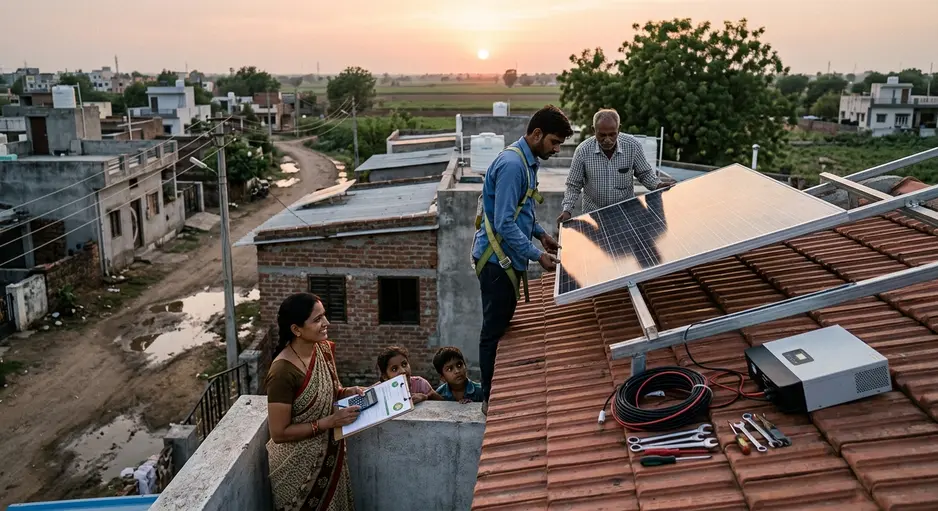
Step 1: Register on Solar Subsidy Application Portal Gujarat
Visit the national portal for rooftop solar and complete your registration. This is the official platform for subsidy processing.
Step 2: Vendor Selection & Site Inspection
Select a certified installer. A proper site inspection ensures optimal rooftop solar system design for factories or homes.
Step 3: Installation & Net Metering Process Gujarat
After approval, installation begins. The DISCOM then processes your net meter connection.
Step 4: Inspection & Subsidy Disbursement
Authorities inspect the system. Once approved, the subsidy amount is credited to your bank account.
Solar Installation Cost After Subsidy in Gujarat
Cost Breakdown
The total cost includes:
-
Solar panels from wholesale solar panels Gujarat manufacturers
-
Inverters from solar inverter suppliers Gujarat
-
Mounting structures from solar mounting structure manufacturers Gujarat
-
Installation and commissioning
Before vs After Subsidy
For residential systems:
-
3kW system: moderate cost reduction after subsidy
-
10kW system: noticeable savings
For industrial systems, savings come mainly from operational cost reduction rather than upfront subsidy.
Financing Options
Businesses can use solar financing schemes for businesses India:
-
Bank loans
-
Leasing models
-
CAPEX or OPEX structures
Benefits of Solar Subsidy for Manufacturers & Businesses
Financial Benefits
-
ROI typically within 2–4 years in Gujarat
-
Protection from rising power tariffs
Operational Advantages
-
Reliable power supply
-
Lower dependency on grid electricity
-
Improved production efficiency
Net Metering Process in Gujarat Explained
The net metering process Gujarat allows users to export excess electricity back to the grid.
-
Energy generated is first used internally
-
Surplus power is sent to the grid
-
Credits are adjusted in electricity bills
Important points:
-
Follow net-metering policy Gujarat DISCOM guidelines
-
Ensure proper meter installation
-
Avoid system oversizing beyond approved capacity
Choosing the Right Solar EPC Contractor in Gujarat
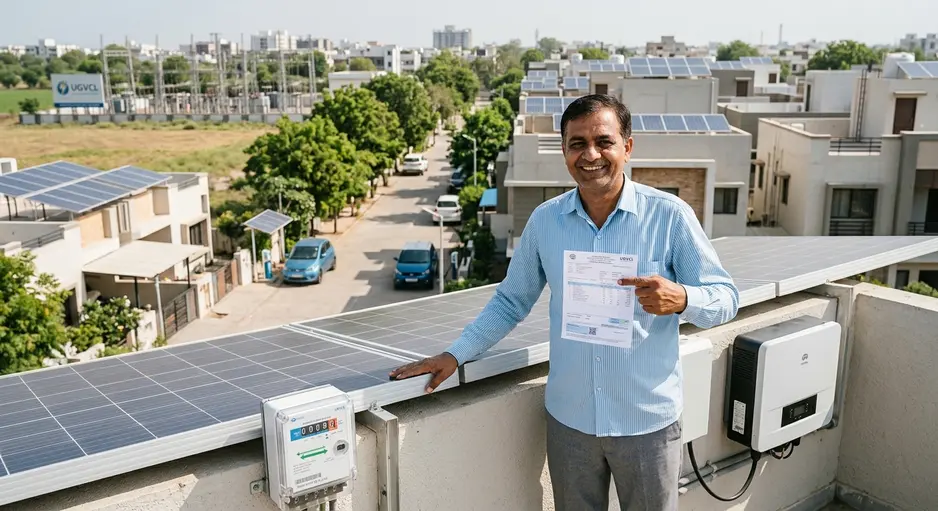
What to Look For
-
Experience in industrial projects
-
Certifications and approvals
-
Strong track record in O&M services
Why Work with Trusted Providers
Companies like Sunify Solar offer end-to-end services including:
-
System design and engineering
-
Installation and commissioning
-
Solar O&M services for factories in Gujarat
This ensures long-term performance and reliability.
Supplier Ecosystem
Gujarat has a strong supply chain, including:
-
Solar PV module suppliers Gujarat export market
-
Mounting and inverter manufacturers
-
Wholesale solar panels Gujarat manufacturers
Common Challenges & How to Overcome Them
-
Approval delays – Work with experienced EPC contractors
-
Vendor selection – Choose certified providers only
-
Maintenance issues – Opt for annual O&M services
-
Policy changes – Stay updated with GEDA announcements
Conclusion
The solar subsidy in Gujarat continues to make solar power a smart investment for both homes and industries. While residential users enjoy direct financial support, businesses gain long-term savings, energy independence, and sustainability advantages.
With rising electricity costs and strong policy backing, adopting solar now can deliver faster returns and future-proof your operations. Working with experienced providers like Sunify Solar ensures a smooth journey from planning to execution.
If you’re considering solar, acting early helps you maximize benefits before policies evolve further.
FAQs
1. How much subsidy is available for solar panels in Gujarat?
Residential users receive subsidies under MNRE guidelines, while businesses benefit through indirect financial incentives.
2. How to apply for solar subsidy in Gujarat online?
You can apply through the national rooftop solar portal by registering, selecting a vendor, and completing installation.
3. Is solar subsidy available for industries in Gujarat?
Direct subsidies are limited, but industries gain through tax benefits, net metering, and lower energy costs.
4. What is the net metering policy in Gujarat?
It allows users to export excess electricity to the grid and receive bill credits.
5. Which documents are required for solar subsidy Gujarat?
Key documents include ID proof, electricity bill, property papers, and system proposal.
6. What is the cost of solar installation after subsidy in Gujarat?
Costs vary by system size, but subsidies reduce upfront expenses for residential users.
7. Can ceramic factories in Gujarat get solar subsidy?
They mainly benefit from operational savings and incentives rather than direct subsidies.
8. How long does it take to receive solar subsidy?
Typically a few weeks after installation and inspection, depending on approval timelines.
Note: The information provided in this blog is for general informational purposes only. Solar subsidy schemes, eligibility criteria, benefits, and application procedures may change over time; readers should verify the latest details through official government portals or authorized agencies before applying.
Share this post :



Whatsapp Chatx
Hi! Click one of our representatives below to chat on WhatsApp or send us email to solar@sunifysolar.in

|
************** +91 81414 55503 |
