Connect With Our Team


Is Solar Energy Reliable for 24/7 Power Needs?
Feb 04, 2026
877 View
Is Solar Energy Reliable for 24/7 Power Needs?
In today’s world, uninterrupted power has become a necessity rather than a luxury. From homes and offices to factories and commercial spaces, reliable electricity is essential for daily operations. With rising electricity costs and growing environmental concerns, many people are turning to solar energy as a sustainable alternative. However, one common question remains: Is solar energy reliable for 24/7 power needs?
The simple answer is yes but with the right planning, technology, and system design. Let’s explore how solar power works, what makes it reliable, and how it can meet round-the-clock energy demands.
Understanding How Solar Energy Works
Solar energy is generated by converting sunlight into electricity using photovoltaic (PV) panels. These panels capture sunlight during the day and convert it into usable power. This electricity can either be used immediately, stored in batteries, or exported to the grid.
A typical solar power system includes solar panels, an inverter, batteries (optional), and a monitoring system. The inverter plays a crucial role by converting direct current (DC) into alternating current (AC), which is used by most electrical appliances.
While sunlight is only available during the day, modern solar systems are designed to ensure power availability beyond daylight hours.
Can Solar Energy Really Work 24/7?
This is where most doubts arise. Since solar panels generate electricity only when the sun is shining, how can solar power support continuous usage?
The answer lies in energy storage and system configuration. With the integration of batteries and grid connectivity, solar energy can effectively support power needs throughout the day and night. A well-designed system ensures that excess power generated during the day is stored or balanced for later use.
Types of Solar Power Setups You Should Know
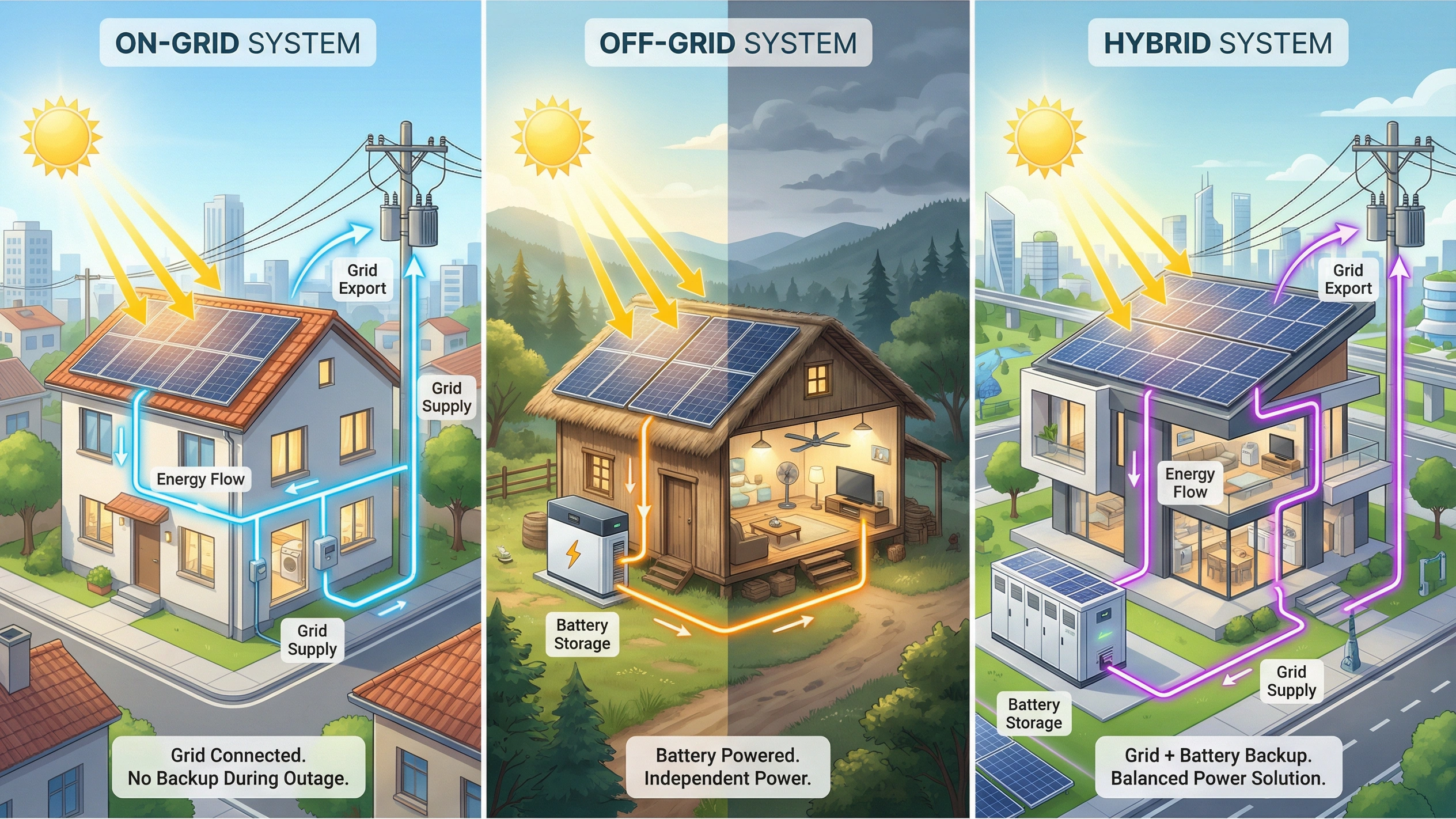
There are three main categories of solar system installations:
On-Grid Solar Systems
These systems are connected to the utility grid. During the day, solar panels generate power that reduces your grid energy use. At night, you draw electricity from the grid as needed. Most importantly, on-grid solar systems don’t provide backup during outages, unless paired with storage.
Off-Grid Solar Systems
These systems function independently of the utility grid. They rely on batteries to store solar power and supply electricity at all hours, even without grid support. These setups are ideal for remote locations or areas with frequent outages.
Hybrid Solar Systems
These combine the best of both on-grid and off-grid systems. They use battery storage to provide backup power, connect to the grid for additional support, and allow net metering to export excess electricity. These systems strike a powerful balance between reliability and cost-efficiency.
Factors That Affect Solar Power Reliability
Several factors determine how reliable a solar power system will be:
Location plays a key role, as areas with higher sunlight exposure generate more energy. Weather conditions such as cloud cover or rainfall can temporarily reduce power output, but modern systems are designed to compensate for this.
System design is equally important. Proper load calculation, high-quality components, and professional installation ensure optimal performance. A poorly designed system may struggle to meet 24/7 demands.
Benefits of Reliable Solar Energy
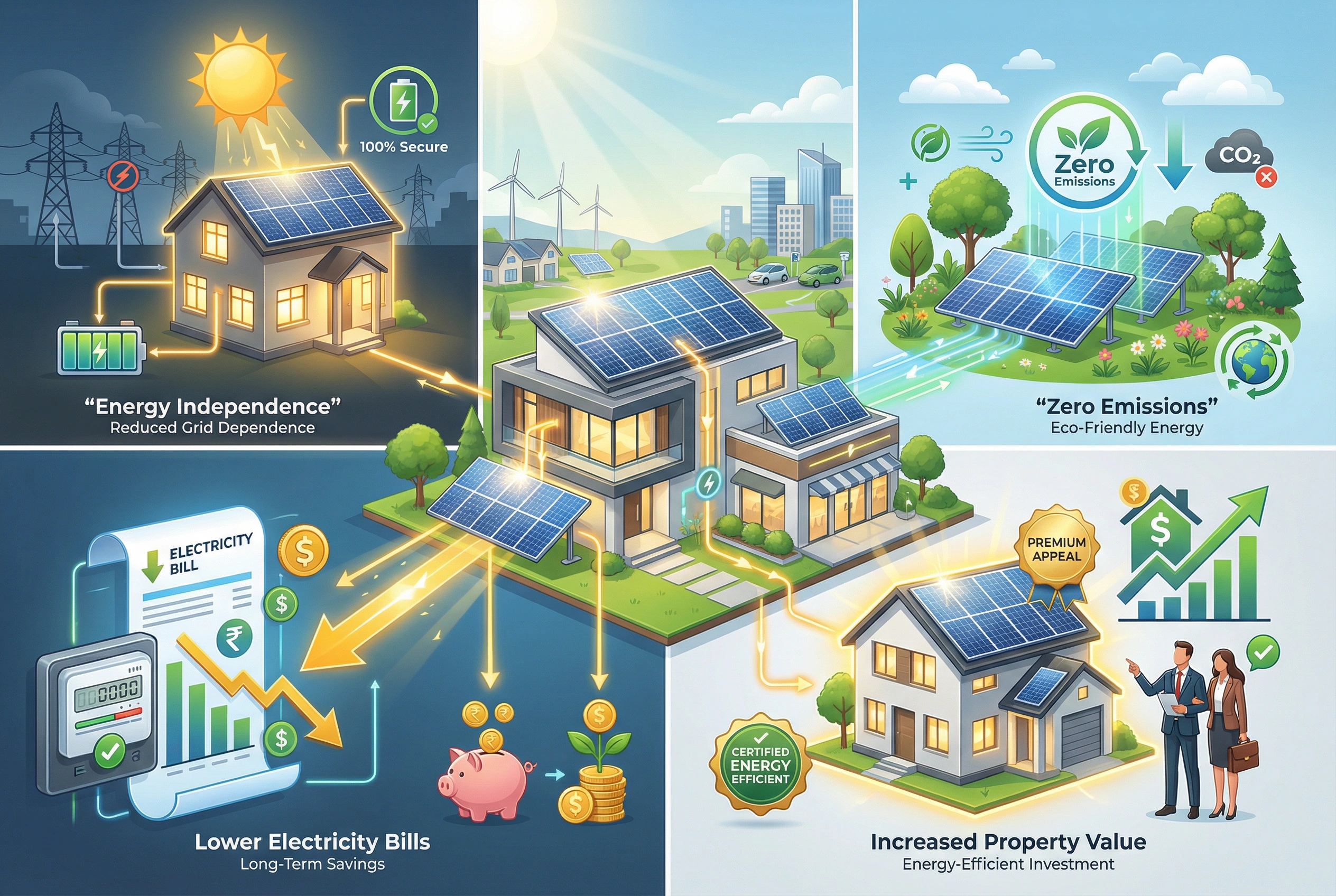
When solar systems are designed well and paired with storage, the benefits extend far beyond basic power generation:
Energy Independence
Solar energy reduces dependence on traditional grids, shielding you from fluctuating utility costs and outages.
Lower Electricity Costs
Over time, solar systems can significantly reduce or even eliminate electricity bills.
Environmental Impact
Solar power generates electricity with zero emissions, cutting your carbon footprint and contributing to sustainability goals.
Increased Property Value
Homes and commercial buildings with reliable solar setups often see increased property values thanks to their energy-saving appeal.
Challenges to Achieving True 24/7 Solar Power
Despite massive progress, there are still challenges:
Intermittency and Storage Requirements
Solar energy production depends on sunlight meaning cloudy weather and night time still require storage capacity. And while battery technology has advanced, storage systems can add to the initial setup cost.
Initial Investment
Although long-term savings are significant, the upfront investment for solar-plus-storage systems may still be substantial especially for larger power needs.
Weather Variability
Regions with less consistent sunlight naturally face different reliability considerations compared with consistently sunny areas.
The Role of Battery Storage in Solar Power Systems
Batteries are the backbone of a 24/7 solar solution. During daylight hours, solar panels often generate more power than required. This excess energy is stored in batteries and used during the night or during power outages.
Modern lithium-ion batteries are highly efficient and long-lasting, making them ideal for solar systems. They ensure a steady power supply, reduce dependence on the grid, and improve overall system reliability.
Without proper battery storage, solar energy may not fully support round-the-clock usage, especially in off-grid setups.
Grid Connectivity and Hybrid Solar Systems
A hybrid solar power system combines solar panels, batteries, and grid connectivity. This setup offers the best of both worlds. When solar generation is high, your system uses solar energy. When generation is low, power is drawn from stored energy or the grid.
Grid-connected systems also benefit from net metering, allowing users to export surplus power back to the grid. This not only enhances reliability but also reduces electricity bills significantly.
Hybrid systems are often considered the most dependable option for continuous power needs.
Is Solar Energy Reliable for Homes?
For residential users, solar energy can be highly reliable when designed correctly. Household energy consumption is generally predictable, making it easier to size the system accurately.
With battery backup, homes can enjoy uninterrupted power even during grid failures. Essential appliances like lighting, fans, refrigerators, and security systems can run smoothly without interruption.
Over time, homeowners benefit from reduced electricity bills and greater energy independence.
Is Solar Power Reliable for Commercial and Industrial Use?
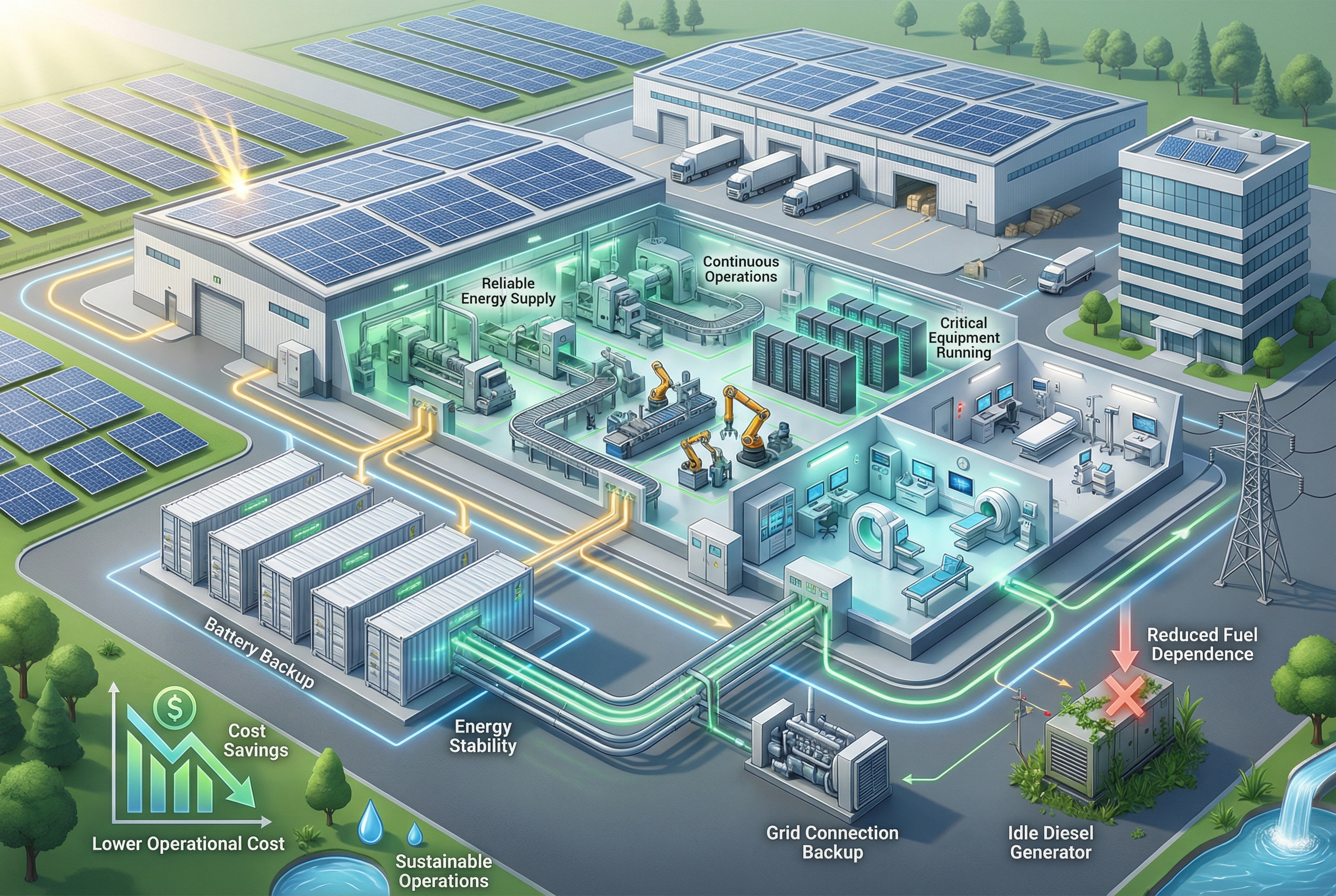
Commercial and industrial facilities often require higher power capacity and consistent energy supply. In such cases, large-scale solar systems combined with advanced battery storage and grid support are used.
Many businesses operate critical equipment that cannot afford downtime. A professionally designed solar power system ensures stability, reduces reliance on diesel generators, and lowers operational costs.
Solar energy has proven to be a reliable solution for manufacturing units, warehouses, hospitals, and commercial complexes.
Solar Energy in India: A Reliable Choice?
India is one of the most solar-rich countries in the world, receiving abundant sunlight throughout the year. This makes solar energy a highly reliable and practical option for Indian homes and businesses.
Government incentives, subsidies, and supportive policies have further strengthened solar adoption. With continuous technological advancements, solar power systems are becoming more efficient, durable, and affordable.
In the Indian context, solar energy is not just reliable it is future-ready.
Benefits of Choosing Solar Energy for Continuous Power
Choosing solar energy offers long-term financial savings by reducing electricity bills. It also provides energy independence, protecting users from rising energy costs and frequent power cuts.
From an environmental perspective, solar power reduces carbon emissions and supports a cleaner future. Additionally, modern solar systems are designed to last 25 years or more, ensuring long-term reliability.
Why Sunify Solar Is a Smart Choice
Sunify Solar is committed to engineering high-efficiency, durable solar panels designed to deliver dependable energy performance for years to come.
Their products are backed by:
-
Certified advanced technology
-
Durable manufacturing quality
-
25-year warranty for long-term energy security
This means that whether you’re powering a home, office, or industrial setup, Sunify Solar offers solutions that bring you closer to reliable, sustainable electricity day and night.
Explore Reliable Solar Panel Solutions
Final Verdict
Yes, solar energy can reliably meet 24/7 power needs when paired with battery storage and smart system design. Whether for homes, businesses, or industrial facilities, modern solar solutions offer consistent, uninterrupted power while reducing energy costs and environmental impact.
For homes, businesses, and industries looking for long-term savings and dependable power, solar energy stands out as a smart and future-proof choice.
FAQs
1. Is solar energy reliable during power cuts?
Yes, solar energy combined with battery storage provides power even during grid failures, ensuring uninterrupted supply.
2. Can solar power run 24 hours a day?
Solar power can support 24-hour usage when paired with batteries and grid connectivity.
3. How long do solar batteries last?
Most modern solar batteries last between 8 to 15 years, depending on usage and maintenance.
4. Is solar power dependable during monsoon?
Yes, solar systems continue to work during monsoon, with batteries and grid support ensuring consistent power.
Share this post :


Whatsapp Chatx
Hi! Click one of our representatives below to chat on WhatsApp or send us email to solar@sunifysolar.in

|
************** +91 81414 55503 |
