
Connect With Our Team


Solar System Sizing Guide for residential & commercial Units
Apr 10, 2026
1648 View
Solar System Sizing Guide for residential & commercial Units
Solar energy adoption is increasing rapidly among homeowners and businesses. However, installing solar panels without proper solar system sizing can lead to lower efficiency and higher costs. Solar system sizing helps determine the correct solar capacity needed based on electricity usage, roof space, and energy goals. When a system is properly sized, it produces enough electricity to meet energy demands while maximizing return on investment. This guide explains how solar system sizing works for both residential and commercial properties and how to calculate the ideal solar panel system size.
What Is Solar System Sizing?
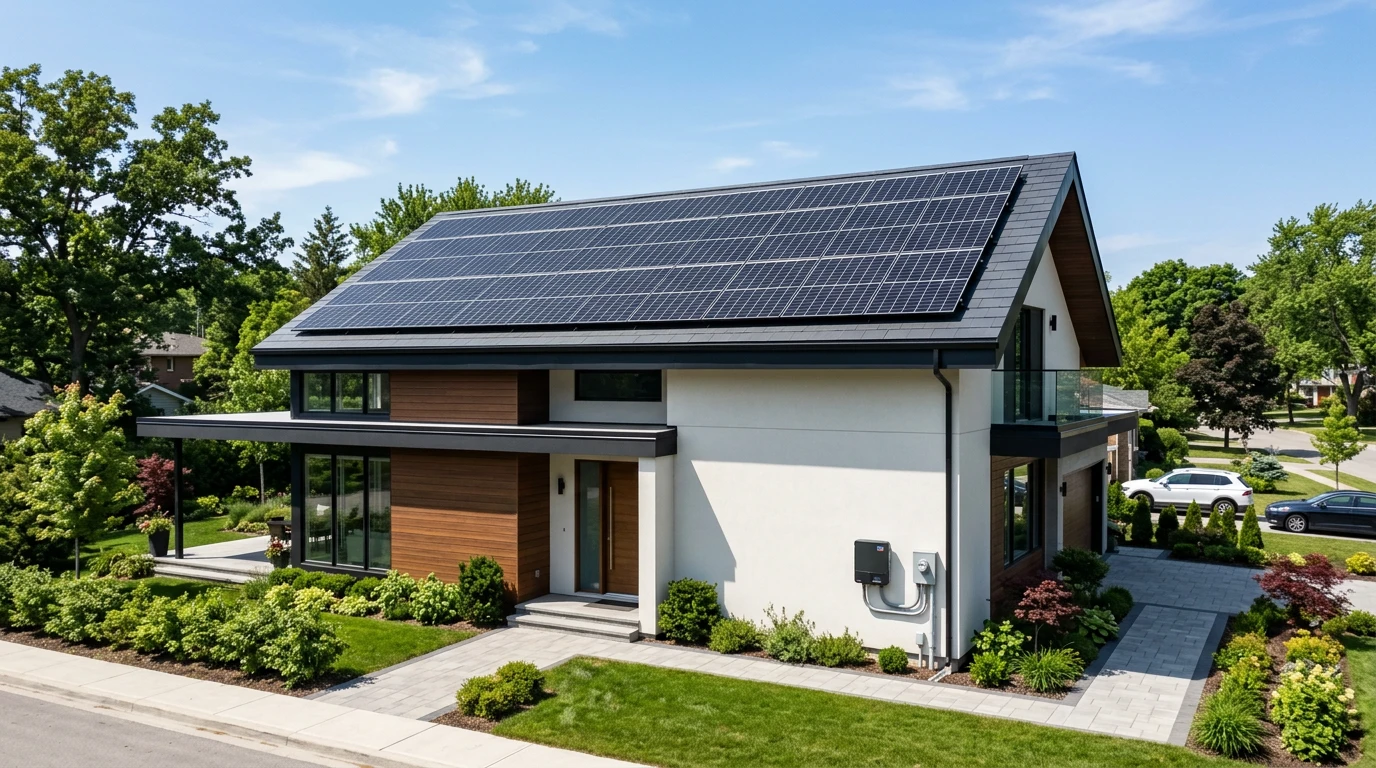
Solar system sizing refers to determining the appropriate solar panel system size (in kW) required to meet electricity consumption for a home or business.
Definition of Solar System Size
Solar system size is typically measured in kilowatts (kW), which indicates the total electricity generation capacity of the solar panels installed. The right system size ensures that the generated solar power matches the building's electricity demand.
Key Components That Influence System Size
Several elements influence solar system sizing:
- Solar Panels: The total number and wattage of panels installed
- Inverter Capacity: Converts solar DC electricity into usable AC power
- Roof Space Availability: Determines how many panels can be installed
- Battery Storage: Optional component for energy backup and storage
Why Proper Solar System Sizing Is Important
Correct solar system sizing ensures optimal performance and financial benefits.
Benefits of Correct Solar System Size
- Maximum energy production
- Reduced electricity bills
- Better long-term savings
- Faster return on solar investment
- Efficient use of available rooftop space
Risks of Incorrect Solar System Sizing
If solar system sizing is inaccurate, several issues may occur:
- Undersized system: Cannot meet electricity needs
- Oversized system: Higher installation costs without proportional benefits
- Reduced efficiency: Poor utilization of solar energy potential
Proper planning prevents these issues and ensures the solar installation performs efficiently.
Factors That Determine Solar System Size
Several factors influence how large a solar system should be.
Monthly Electricity Consumption
Electricity bills provide insight into total energy consumption. Higher usage means a larger solar panel system size is required.
Available Rooftop Area
Solar panels require sufficient rooftop space. Limited space may restrict the maximum solar system size that can be installed.
Solar Panel Capacity and Efficiency
Modern solar panels typically range from 400W to 550W. Higher-efficiency panels generate more electricity within the same area.
Location and Solar Irradiance
Regions with higher sunlight exposure produce more energy, influencing solar rooftop system sizing.
Type of Installation
Energy requirements vary significantly between residential solar system size and commercial solar system size installations.
How to Calculate Solar System Size for Your Property
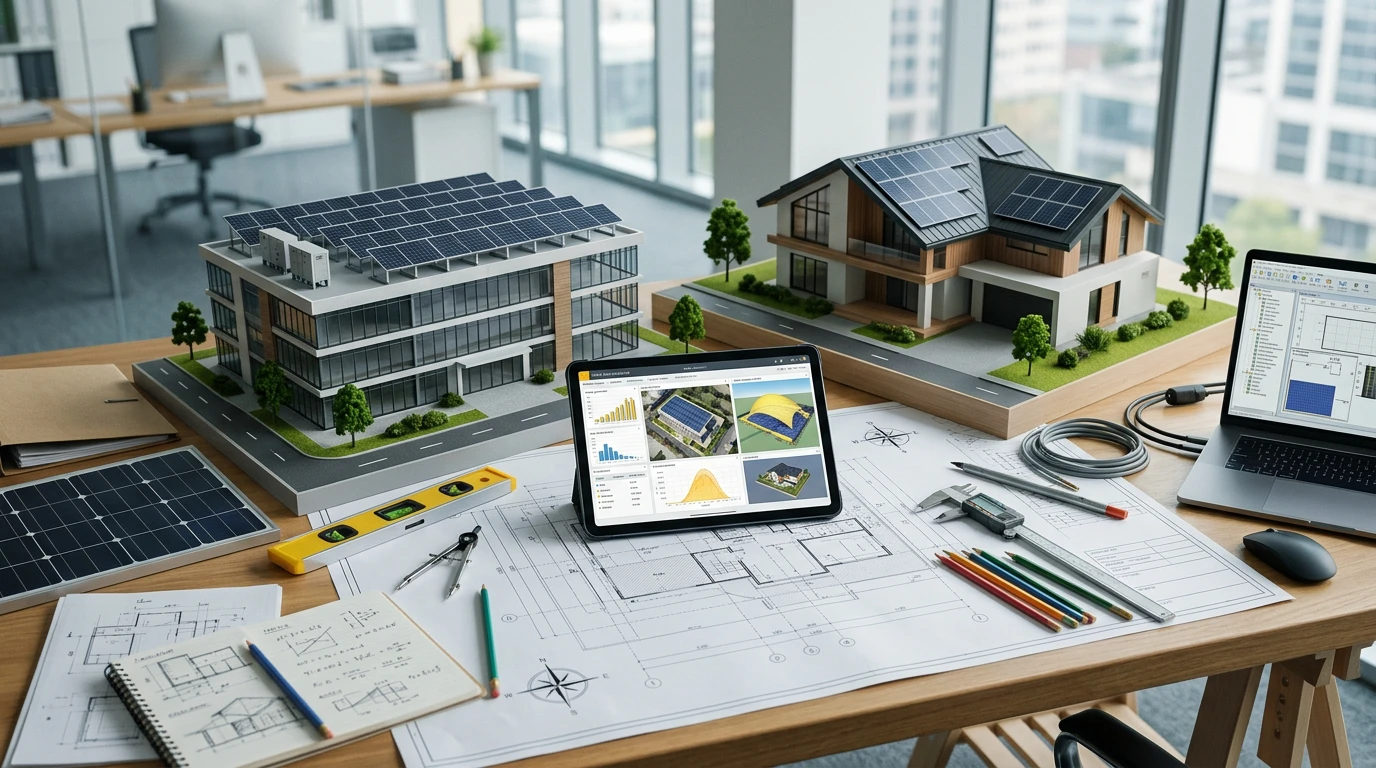
A basic formula helps estimate the required solar capacity.
Step-by-Step Solar System Size Calculation
- Determine total monthly electricity consumption (kWh)
- Calculate daily electricity usage
- Estimate required solar capacity based on sunlight hours
- Calculate how many solar panels are needed
Example Calculation for a Home
If a household consumes 600 units per month:
- Daily consumption = 20 units
- Average sunlight hours = 5 hours
Required solar capacity:
20 ÷ 5 = 4 kW solar panel system size
This means a 4 kW residential solar system size would meet the home's energy needs.
Example Calculation for a Commercial Building
A business consuming 3000 units monthly requires significantly larger solar capacity.
- Daily consumption = 100 units
- Sunlight hours = 5
100 ÷ 5 = 20 kW commercial solar system size
Commercial installations usually require larger rooftops and advanced photovoltaic system design.
Solar System Size Calculator – How It Works
A solar system size calculator simplifies the process of determining system capacity.
Typical inputs include:
- Monthly electricity consumption
- Location and sunlight availability
- Roof area
- Solar panel wattage
Based on these inputs, the calculator estimates the recommended solar panel system size and the number of panels required.
Although calculators provide rough estimates, professional solar analysis ensures accurate solar system sizing.
Solar Panel System Size for Residential Buildings
Residential properties typically require smaller systems compared to commercial facilities.
Typical Residential Solar System Sizes
Common solar system sizes for residential installations include:
- 1 kW system – Small homes with minimal electricity usage
- 3 kW system – Average households with moderate energy needs
- 5 kW system – Ideal for families with higher electricity usage
- 10 kW system – Large homes or properties with electric appliances
How Many Solar Panels Are Needed for a Home?
The number of panels depends on panel wattage and system size. For example:
- 1 kW system → 3 to 4 panels
- 3 kW system → 8 to 10 panels
- 5 kW system → 13 to 15 panels
- 10 kW system → 25 to 30 panels
These numbers may vary depending on panel efficiency and installation conditions.
Solar Panel Capacity for Home Energy Needs
The right solar panel capacity for home depends on daily electricity usage, available roof space, and long-term energy goals.
Solar System Size for Commercial Buildings
Commercial buildings require significantly larger solar power systems due to higher electricity consumption.
Typical Commercial Solar System Sizes
Businesses often install larger systems such as:
- 20 kW solar systems
- 50 kW solar systems
- 100 kW or larger installations
These systems support factories, warehouses, offices, and commercial establishments.
Commercial Solar Power Requirements
Commercial solar system sizing depends on:
- Continuous electricity usage
- Machinery and equipment load
- Business operating hours
- Future expansion plans
Proper photovoltaic system design is essential for ensuring efficiency and scalability.
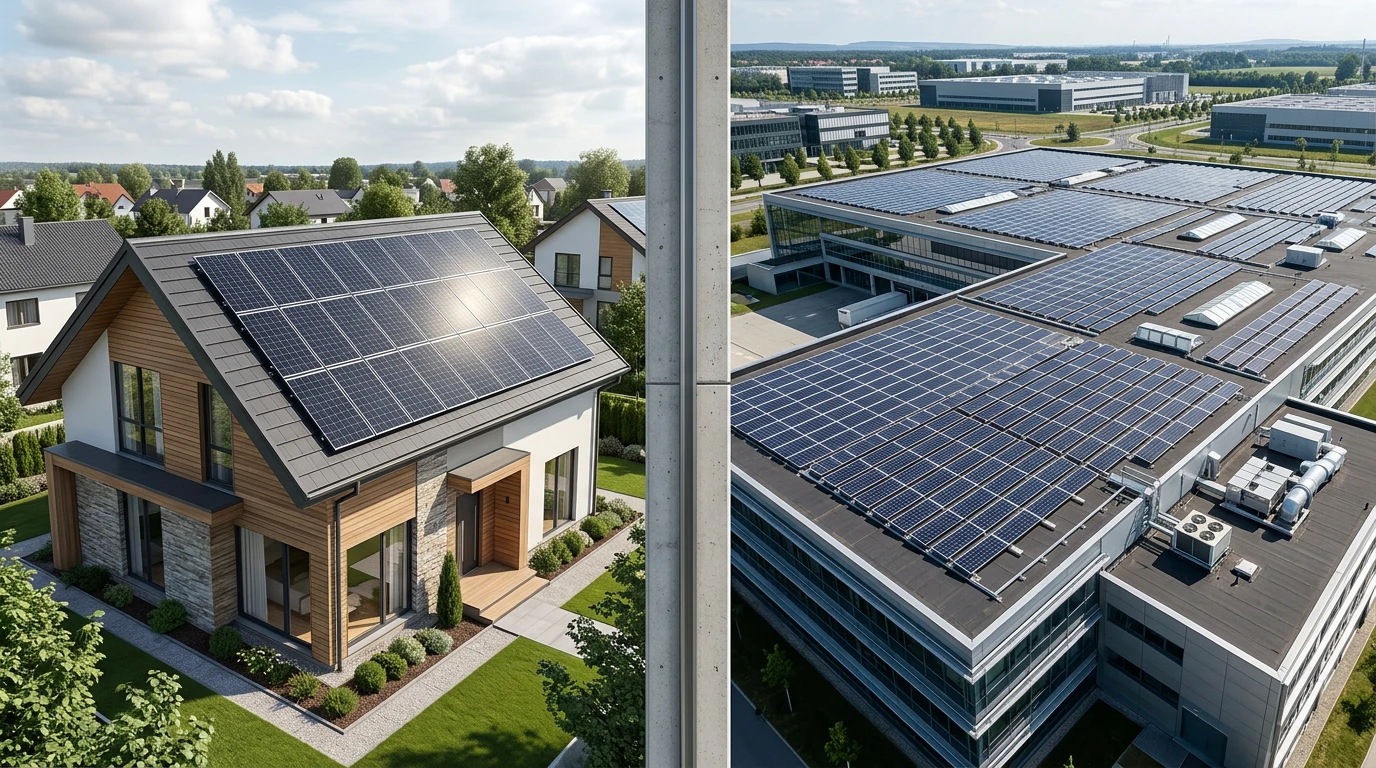
Residential vs Commercial Solar System Sizing
|
Parameter |
Residential Solar System |
Commercial Solar System |
|
Average system size |
1 kW – 10 kW |
20 kW – 100 kW+ |
|
Energy consumption |
Moderate |
Very high |
|
Installation space |
Rooftop of homes |
Large rooftops or industrial sheds |
|
Cost range |
Lower investment |
Higher investment |
|
Return on investment |
Moderate savings |
Large-scale savings |
This comparison highlights how solar system sizes for residential and commercial installations differ significantly.
Rooftop Solar System Sizing Guidelines
Proper solar rooftop system sizing ensures maximum solar energy generation.
Roof Space Required for Solar Panels
On average:
- 1 kW solar system requires 80–100 sq ft of rooftop space
Therefore:
- 3 kW system → about 300 sq ft
- 5 kW system → about 500 sq ft
- 10 kW system → about 1000 sq ft
Solar Rooftop System Sizing Tips
Important considerations include:
- Install panels facing south direction for better sunlight exposure
- Maintain the correct tilt angle
- Avoid shade from buildings or trees
These factors significantly improve solar energy output.
Photovoltaic System Design Considerations
Solar system sizing must align with proper photovoltaic system design.
Key Design Considerations
- High-efficiency solar panels
- Correct inverter sizing
- Grid-connected or hybrid systems
- Safety and compliance standards
A well-designed photovoltaic system ensures long-term reliability and maximum performance.
Common Mistakes in Solar System Sizing
Many solar installations face performance issues due to planning errors.
Common mistakes include:
- Ignoring future electricity consumption
- Selecting the wrong inverter capacity
- Installing too few or too many panels
- Poor panel placement or shading
Why Choose Sunify Solar for Solar System Sizing and Installation
For homeowners and businesses planning solar installations, expert guidance is essential. Sunify Solar provides professional assistance in accurate solar system sizing for residential and commercial units. Their team analyzes electricity consumption, rooftop space, and solar exposure to recommend the ideal solar panel system size. With expertise in solar rooftop system sizing and photovoltaic system design, Sunify Solar ensures efficient installations that maximize energy production and cost savings. Their solutions help customers choose the right solar capacity while achieving long-term sustainability and reliable solar power generation.
Conclusion
Accurate solar system sizing is the foundation of an efficient solar power installation. Whether for homes or businesses, determining the correct solar panel system size ensures maximum energy generation, reduced electricity bills, and better financial returns. By considering factors such as electricity consumption, rooftop space, and sunlight availability, property owners can install a solar system that perfectly meets their energy needs. With proper planning and professional guidance, solar energy can become a reliable and sustainable power solution.
Frequently Asked Questions (FAQ)
1. How do I calculate the size of a solar system for my home?
Calculate your monthly electricity consumption, divide it by daily sunlight hours, and estimate the required solar capacity in kW.
2. How many solar panels are required for a 5 kW solar system?
A typical 5 kW solar system requires around 13–15 solar panels, depending on panel wattage.
3. What is the average solar system size for residential buildings?
Most homes install 3 kW to 5 kW residential solar systems, depending on energy consumption.
4. What size solar system is required for commercial buildings?
Commercial buildings usually require 20 kW to 100 kW or larger systems, depending on electricity usage.
5. How much rooftop space is required for solar panels?
Approximately 80–100 square feet of roof space is needed for every 1 kW solar system.
6. Can a solar system fully power a home or business?
Yes, if properly sized, a solar system can generate enough electricity to meet most or all of a property's energy needs.
Share this post :



Whatsapp Chatx
Hi! Click one of our representatives below to chat on WhatsApp or send us email to solar@sunifysolar.in

|
************** +91 81414 55503 |
