Connect With Our Team


What Are AI Solar Panels? The Future of Smart Solar Energy
Dec 05, 2025
1883 View
What Are AI Solar Panels? The Future of Smart Solar Energy
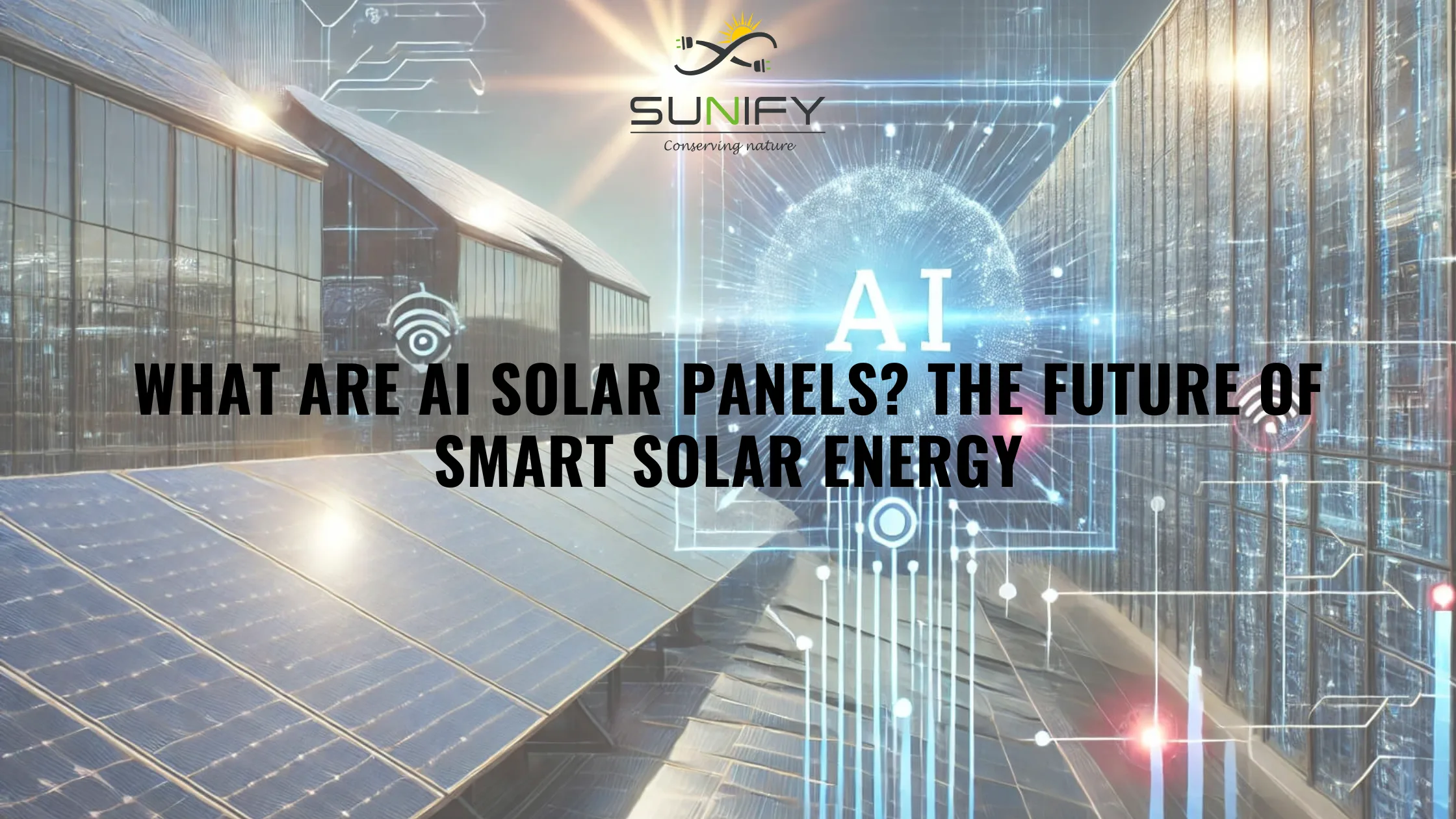
Solar energy has transformed the global power industry, but a new revolution is underway one that blends artificial intelligence with renewable energy to create smarter, more efficient power systems. As demand for clean electricity rises worldwide, homeowners, businesses, and large-scale utilities are looking for solutions that deliver more power, reduce energy losses, and adapt to changing climate patterns automatically.
This is where AI solar panels enter the spotlight. They are not just another upgrade they are a complete transformation of how solar systems are designed, monitored, and optimized. Companies like Sunify Solar are already exploring advanced, AI-driven systems to help customers generate higher returns on their solar investment and build a more intelligent, sustainable energy future.
In this detailed guide, we’ll explore what AI-powered solar technology is, how it works, the benefits it brings, real-world applications, and what the future of smart solar energy looks like.
What Are AI Solar Panels?
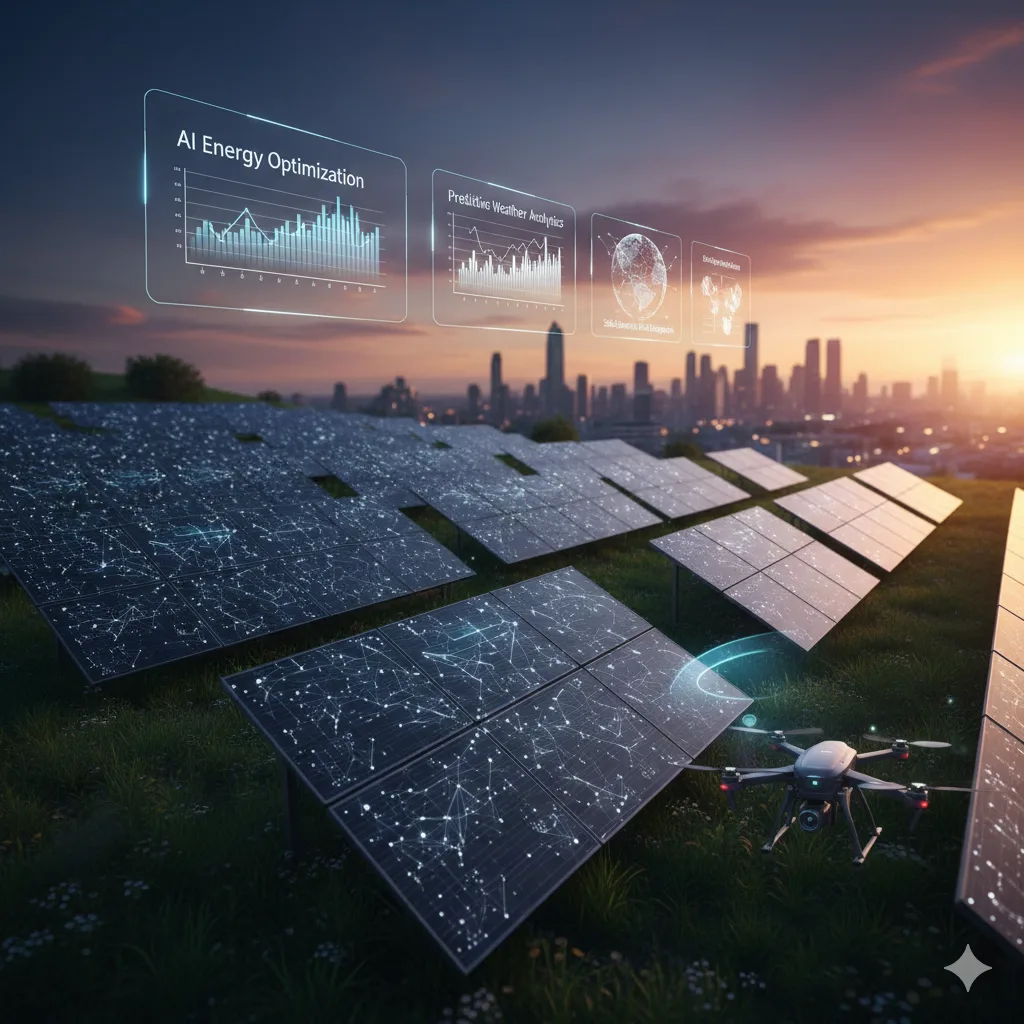
AI solar panels are traditional photovoltaic (PV) panels enhanced with artificial intelligence technologies such as machine learning, predictive analytics, data-driven optimization, and smart automation. Instead of simply converting sunlight into electricity, these panels analyze data from multiple sources weather forecasts, shading patterns, user consumption, and grid behavior to make intelligent decisions that improve performance.
While standard solar panels remain passive devices, smart solar panels learn, adapt, and respond to real-time conditions. They continuously adjust to maximize energy generation and optimize how produced energy is used or stored.
AI solar technology combines the power of:
-
Sensors
-
Smart inverters
-
Predictive algorithms
-
Cloud-based monitoring
-
IoT-enabled components
Together, they create a solar plant system that can think, forecast, calculate, and optimize on its own.
How Do AI Solar Panels Work?
AI solar panels operate using a multi-layered mechanism that blends hardware, software, and cloud intelligence:
1. Real-Time Data Collection
Sensors monitor temperature, sunlight, wind speed, panel tilt angle, shading, voltage, and power output.
2. Data Processing With Predictive Algorithms
AI predicts future patterns such as shading, sunlight hours, and load demand based on historical data.
3. Smart Solar Energy Optimization
The system adjusts in real time to increase solar energy efficiency, including:
-
Tilt and rotation changes
-
Inverter tuning
-
Panel cleaning alerts
-
Dynamic energy distribution
4. Integration With IoT & Cloud Platforms
AI communicates with smart meters, battery storage, and home appliances for efficient distribution.
5. Self-Diagnosis & Fault Detection
AI spots issues like panel degradation, wiring faults, or shading problems long before they affect output.
6. Performance Learning
Over time, AI learns usage patterns, helping it predict future demand and optimize energy accordingly.
This intelligent flow transforms a solar PV system from a basic power generator into a continuously improving smart energy asset.
What Makes Smart Solar Energy “Smart”?
Smart solar energy is not just about generating electricity it's about generating the most possible energy using the least possible losses. AI-enabled systems add intelligence to every step of the process.
Smart Features Include:
-
Real-time monitoring with high-accuracy diagnostics
-
AI-based tracking systems that automatically follow sunlight
-
Advanced shading detection to reduce losses
-
Smart inverters that optimize output dynamically
-
Predictive maintenance to prevent breakdowns
-
Grid synchronization for smooth energy distribution
These innovations help residential, commercial, and industrial solar installations perform at peak capacity 24/7.
Key Features of Advanced AI Solar Technology
AI enhances solar systems in several game-changing ways:
-
Smart Solar Tracking: AI-based trackers adjust the panel angle throughout the day to maximize sunlight exposure.
-
Fault Detection & Diagnostics: AI finds micro-cracks, hotspots, dust buildup, and wiring issues before they become major failures.
-
Performance Benchmarking: Each panel’s performance is evaluated against ideal conditions.
-
Self-Learning Algorithms: Systems learn from historical data, seasonal behavior, and location patterns.
-
Demand Forecasting: AI predicts how much energy the user will need and balances power accordingly.
-
Smart Cleaning Recommendations: Dust, smog, and pollution reduce energy generation. AI predicts optimal cleaning times.
With these features, brands like Sunify Solar can deliver much more efficient and dependable solar plant systems.
Benefits of AI Solar Panels for Homes and Businesses
Higher Efficiency & Power Output
Traditional panels operate at a consistent angle and do not react to sudden environmental changes. AI improves efficiency by adjusting tilt, optimizing inverter output, and forecasting shading impacts. This dynamic optimization increases total annual energy output by 10–30%.
Lower Maintenance Costs
By identifying issues early, AI eliminates unnecessary technician visits and prevents minor defects from becoming expensive breakdowns. Predictive maintenance ensures upkeep is timely, accurate, and efficient saving thousands over the system’s lifetime.
Extended Equipment Lifespan
AI prevents overloading of inverters, overheating of panels, and voltage inconsistencies. By distributing load intelligently, it reduces stress on equipment. This significantly extends system life and helps users get maximum value from their investment.
Reduced Energy Waste
AI ensures that no generated energy is lost optimizing whether it should be stored, consumed, or exported to the grid. This real-time energy flow planning improves utilization and supports more consistent system performance.
Higher Return on Investment (ROI)
Because AI increases efficiency, minimizes repairs, and extends system longevity, users achieve payback much faster compared to regular PV systems. Lower electricity bills and higher output create long-term financial gains.
Optimized Battery Storage & Discharge
AI predicts when households will need more power and manages battery charge cycles accordingly. This leads to longer battery life, smarter charging, and improved performance during peak hours or outages.
AI Solar Panels vs Traditional Solar Panels
|
Feature |
AI Solar Panels |
Traditional Solar Panels |
|
Technology |
AI, ML, IoT, smart inverters |
Basic PV cells |
|
Efficiency |
Higher due to predictive control |
Static, no optimization |
|
Maintenance |
Predictive, automated alerts |
Manual inspections |
|
Output Stability |
High, weather-adjusted |
Variable |
|
User Control |
Real-time monitoring |
Limited information |
|
Best For |
Homes, industries, solar plants |
Basic rooftop systems |
This clear difference shows why advanced solar panels will dominate the next decade.
How AI Boosts Solar Energy Efficiency?
Efficiency is the biggest concern in solar energy. AI tackles every factor that causes losses:
Weather Prediction: AI forecasts solar radiation, temperature, and cloud movement and adjusts system settings.
Smart Tilt Optimization: Panels automatically tilt to the best angle every minute.
Heat Monitoring: High temperatures reduce output. AI regulates inverter and cooling functions.
Real-Time Inverter Optimization: Improves DC-to-AC conversion, reducing losses.
Dust & Shading Detection: AI identifies soiling patterns and suggests cleaning cycles.
Because of these improvements, smart solar systems outperform traditional PV panels.
Applications of AI in Solar & Renewable Energy
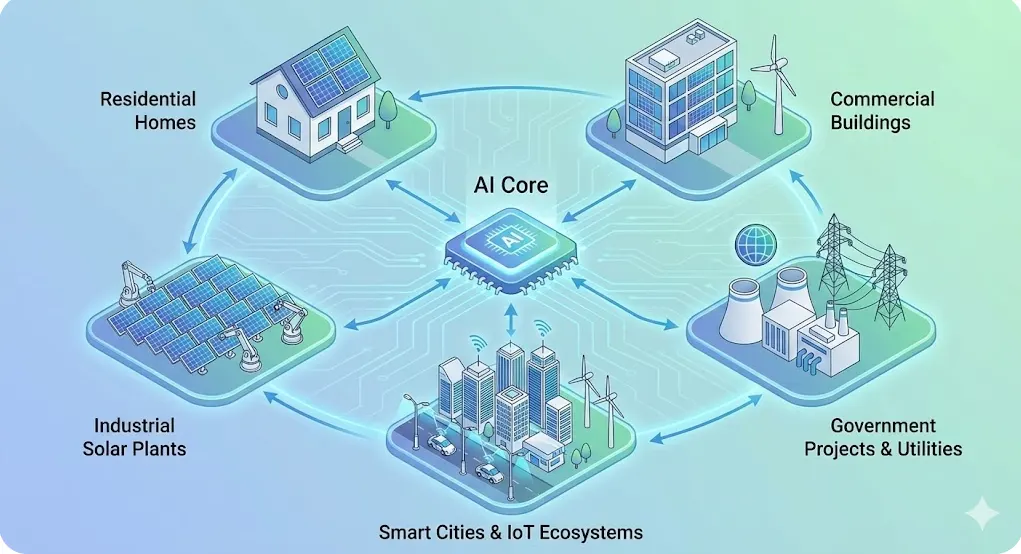
AI is reshaping renewable energy across multiple sectors:
-
Residential Homes
Homeowners use AI-driven solar panels to get detailed insights into power usage, automate lighting and appliances, and optimize battery storage. This creates an eco-friendly, cost-efficient smart home.
-
Commercial Buildings
Businesses rely on AI solar systems to avoid power outages, maintain predictable electricity bills, and reduce carbon footprint. This is especially valuable for offices, malls, and IT parks.
-
Industrial Solar Plants
AI helps industrial solar plant systems manage thousands of PV panels simultaneously. It automates fault detection, optimizes cluster-level performance, and increases energy yield significantly.
-
Government Projects & Utilities
AI stabilizes grid performance and prevents overloads by adjusting energy flow in real time. This reduces blackout risks and improves national energy reliability.
-
Smart Cities & IoT Ecosystems
AI integrates solar energy with EV charging, smart lighting, and public infrastructure. It supports energy-efficient smart-city planning with long-lasting, automated solar networks.
The Future of AI Solar Panels
The future of solar energy is smarter, more flexible, and more automated:
Self-Healing Solar Panels: AI will detect panel degradation and trigger automatic restoration.
Fully Autonomous Solar Plants: Entire solar farms will run without human intervention.
Integration with EVs: Homes will charge electric vehicles intelligently using solar energy.
AI-Enhanced Thin Film & Flexible Panels: New materials will increase efficiency and durability.
The Future of Solar Technology Is AI-First: Every major solar PV system will include:
-
Edge computing
-
IoT sensors
-
Machine learning
-
Smart inverters
Brands like Sunify Solar will play a major role in introducing these next-generation innovations.
Challenges of AI Solar Technology
Although AI solar is promising, there are challenges:
1. Higher Initial Cost
AI systems require sensors, IoT devices, and smart hardware.
2. Need for Skilled Professionals
AI integration requires specialized technicians.
3. Data Privacy Concerns
Smart systems collect usage and grid data.
4. Complex Installation
Algorithms must be configured correctly for accurate predictions.
5. Dependence on Internet Connectivity
Cloud-based analytics require stable network access.
Most of these challenges will reduce as technology becomes mainstream and more affordable.
How to Choose the Right AI Solar System
-
Check energy consumption: Analyze your home or business energy needs.
-
Compare AI solar providers: Choose certified providers offering system automation and predictive features.
-
Look for smart inverter compatibility: Ensure the system can integrate with AI-based controls.
-
Choose brands with reliable support: Brands like Sunify Solar offer strong after-sales support.
-
Evaluate warranties & AI software updates: Long-term updates ensure better performance.
Conclusion
AI solar panels are shaping the future of renewable energy by making solar systems more intelligent, self-sustaining, and incredibly efficient. From real-time optimization to predictive maintenance, smart solar energy solutions are helping users generate more power, reduce costs, and embrace an eco-friendly lifestyle with confidence. As global energy systems evolve, brands like Sunify Solar are at the forefront of bringing next-generation solar innovations to homes and businesses.
AI-powered solar isn’t just the future it’s the present, and it’s transforming the way the world uses clean energy.
Questions People Also Ask
Q1: Are AI solar panels more efficient than traditional solar panels?
Yes. AI solar panels use predictive algorithms and intelligent tracking to increase efficiency by 10–30% compared to standard panels.
Q2: How does AI help in solar panel installation and maintenance?
AI helps determine the best placement, optimize tilt, detect faults, and create predictive maintenance schedules.
Q3: Is smart solar energy suitable for homes?
Absolutely. Smart solar panels help homeowners reduce bills, automate energy usage, and improve long-term system performance.
Q4: What is the future of AI in renewable energy?
The future includes autonomous solar farms, AI-based grid management, advanced storage integration, and fully intelligent solar ecosystems.
Share this post :


Whatsapp Chatx
Hi! Click one of our representatives below to chat on WhatsApp or send us email to solar@sunifysolar.in

|
************** +91 81414 55503 |
