Connect With Our Team


Top 10 DIY Solar Panel Cleaning Hacks for Maximum Efficiency
Dec 10, 2025
5259 View
Top 10 DIY Solar Panel Cleaning Hacks for Maximum Efficiency
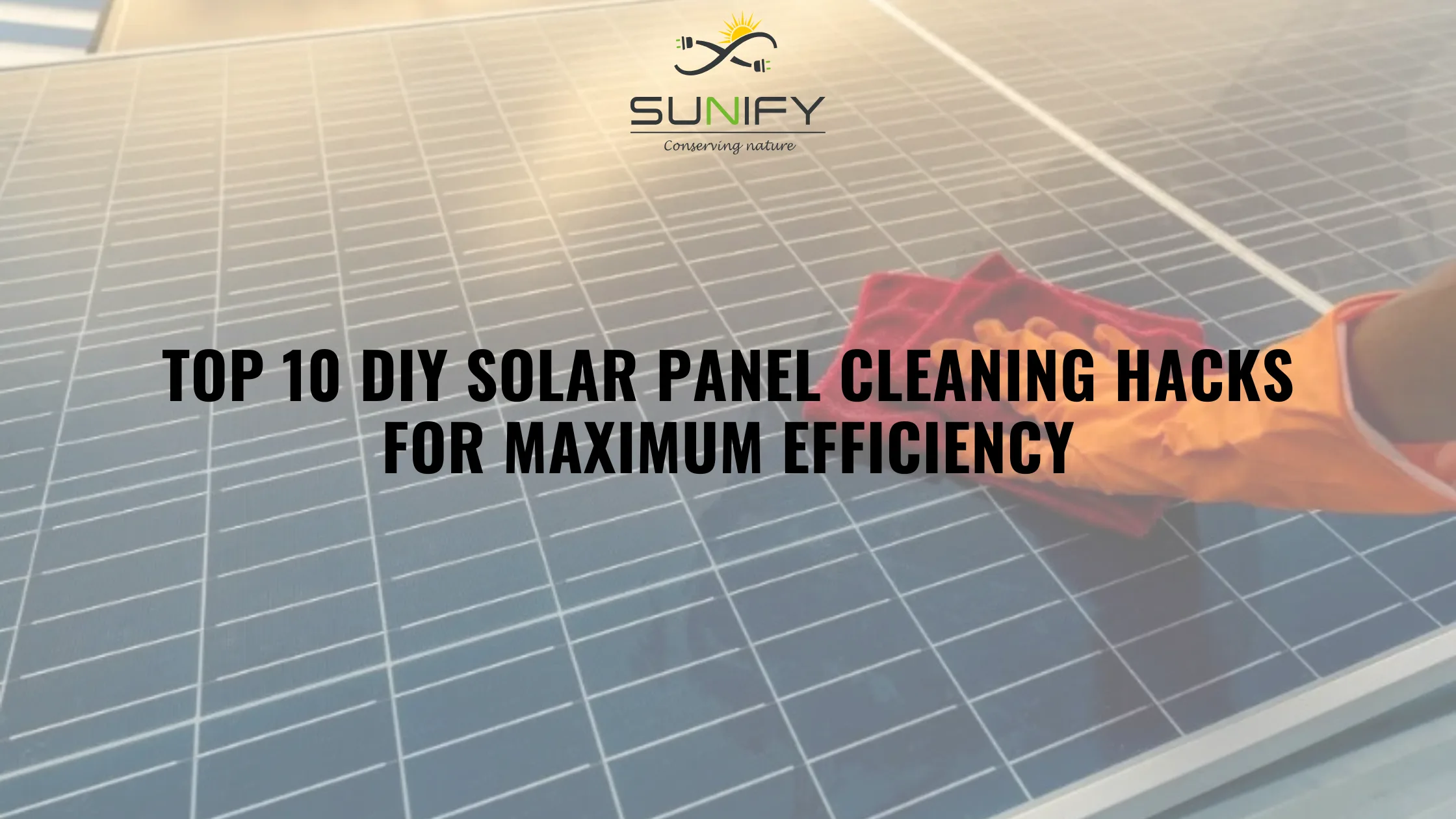
Solar panels are designed to deliver clean, renewable energy for years, but dust, bird droppings, pollution particles, and environmental debris can significantly reduce how much sunlight your panels absorb. When the surface is dirty, the system loses efficiency, produces less electricity, and affects your long-term savings. That’s why solar panel cleaning is an essential part of solar panel maintenance and keeping your system running at peak performance.
This comprehensive guide explains how to clean solar panels, how often they should be cleaned, which tools to use, when to avoid cleaning, and the top diy solar panel cleaning hacks you can safely use at home. Whether you have residential solar panel cleaning needs or a commercial solar panel cleaning setup, these techniques will help you maintain better output with minimal effort.
Sunify Solar always encourages homeowners to understand simple, safe, and effective ways to care for their solar investments.
Why Regular Cleaning of Solar Panels Matters?
Solar panels work on one basic principle: the more sunlight they receive, the more electricity they generate. But even the most advanced pv panels begin to lose performance when covered with dust, leaves, smog residue, or pollution.
What happens if panels are not cleaned?
1. Reduction in solar panel efficiency: When dirt builds up, sunlight cannot reach the solar cells effectively, leading to noticeable energy loss. In some areas, dirty panels cause a 20–30% drop in solar panel efficiency, increasing reliance on grid electricity.
2. Higher long-term solar panel cleaning cost: Ignoring regular maintenance can lead to stubborn stains, hotspots, and hardened layers of grime, requiring professional solar panel washing which costs more than regular light cleaning.
3. Permanent panel damage: Accumulated dirt heats the glass unevenly, creating hotspots that reduce lifespan of the solar panel.
4. Lower ROI: The whole purpose of solar is long-term savings. Unclean panels force the system to work harder, decreasing the overall return on investment.
How Often Should You Clean Solar Panels?
The cleaning frequency depends on your region, weather, environment, and installation style.
Here’s a simple flow:
-
Urban Homes: Clean every 2–3 months
-
Dusty or Desert Areas: Monthly cleaning
-
Near Trees / Birds: Twice monthly
-
Industrial Zones: Monthly cleaning
-
Coastal Regions: Monthly due to salt deposits
-
Rainy Seasons: Rain helps, but post-rain wiping increases clarity
If you have a smaller rooftop solar pv system, you may need more frequent cleaning as dust accumulates easily.
Sunify Solar recommends checking your panels visually each month and wiping at least once even if they look “clean.”
DIY Solar Panel Cleaning Guide: Tools, Tips & Mistakes to Avoid
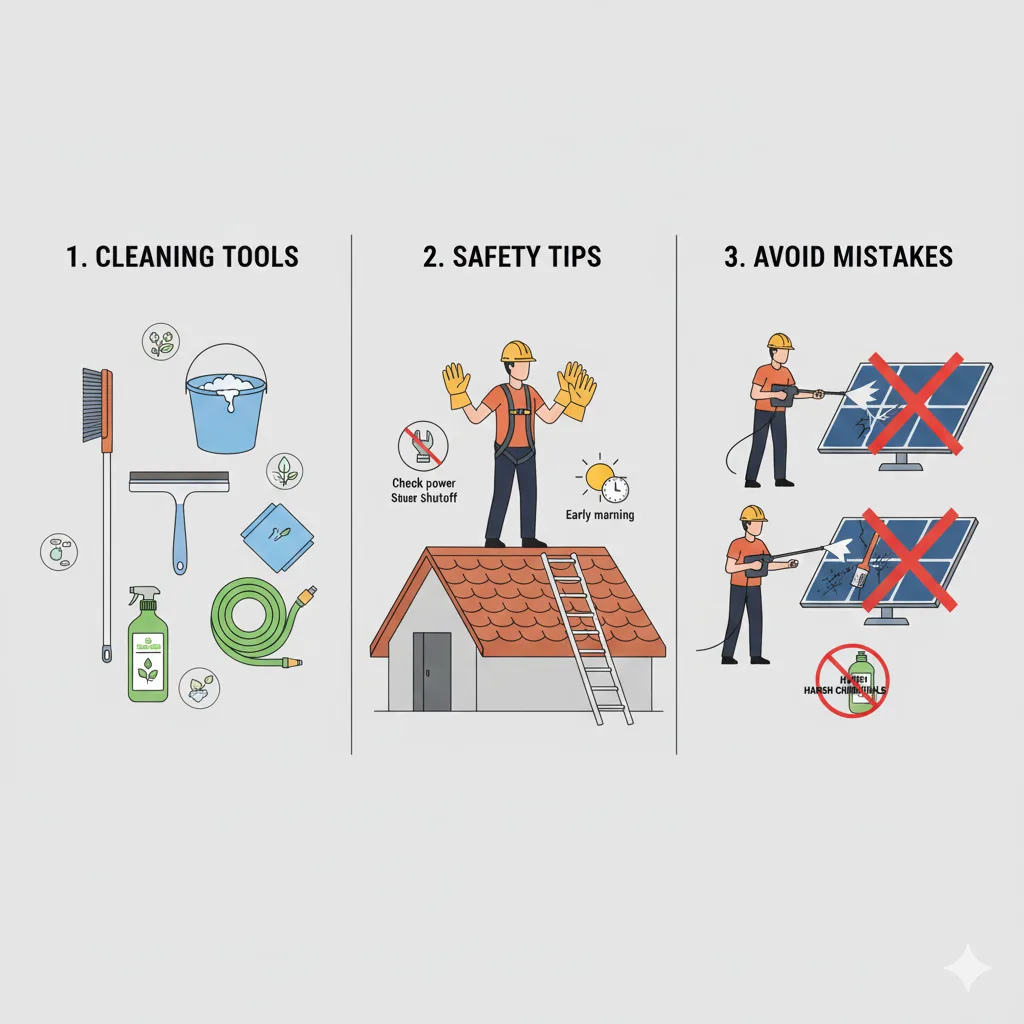
Before starting any cleaning, you must be equipped with the right tools and an understanding of basic safety protocols.
1. Essential Solar Panel Cleaning Tools
Soft-Bristle Brush: A soft brush helps remove dust without leaving scratches. Hard scrubbing damages the panel’s protective layer, affecting long-term durability.
Microfiber Cloth: Ideal for spot cleaning, especially for sticky stains, tree sap, or bird droppings.
Bucket of Soft Water: Soft water prevents white mineral stains, which reduce light absorption.
Mild Soap or Gentle Cleaner: Harsh detergents are not recommended. A mild cleaner protects the anti-reflective coating.
Hose Pipe (Low Pressure): A low-pressure rinse loosens dirt and avoids damage to wiring or seals.
Squeegee: To remove excess water after washing and deliver a streak-free finish.
Solar Panel Cleaning Kit: These kits include professional-grade brushes, poles, and wipers designed for both residential and commercial cleaning. They make maintenance easier for first-time users.
2. Important Safety Tips Before Cleaning
Turn Off the Inverter: Water and electricity never mix. Turning off the inverter ensures complete safety during cleaning.
Clean Early Morning or Evening: Panels get extremely hot during daytime. Cleaning cold water on hot glass can lead to cracks, warping, and permanent marks.
Wear Anti-Slip Footwear: Panels become slippery when wet, and rooftops can be risky. Proper footwear prevents accidents.
Avoid High-Pressure Jets: High-pressure water can force water under the panel edges, damaging the electrical components.
Do Not Step on Solar Panels: Panels are not designed to carry weight. Stepping on them may break the glass or damage cells underneath.
3. Common Mistakes to Avoid
Many users damage their solar systems unintentionally while trying to clean them. Avoid these mistakes:
-
Using hard water, which causes mineral staining
-
Using abrasive pads or steel wool, which scratch the surface
-
Cleaning during windy weather, as dust settles immediately again
-
Using bleach or strong chemicals, which corrode the anti-reflective film
-
Pouring cold water on hot panels, causing potential cracking
Top 10 DIY Solar Panel Cleaning Hacks for Maximum Efficiency
1. Soft Water + Mild Soap Cleaning Method
This is the safest, simplest, and best way to clean solar panels at home. Mix mild soap with soft water, apply with a soft-bristle brush, and rinse gently. This technique removes surface dust, pollution layers, and light stains without damaging the coating. It preserves the clarity of the glass and enhances solar energy absorption.
2. Morning Cleaning for Natural Efficiency Boost
Morning is the ideal time because the glass is cool, making cleaning safer and easier. Morning dew softens dirt, allowing effortless wiping. It also prevents thermal shock, as cold water on hot panels can damage the surface.
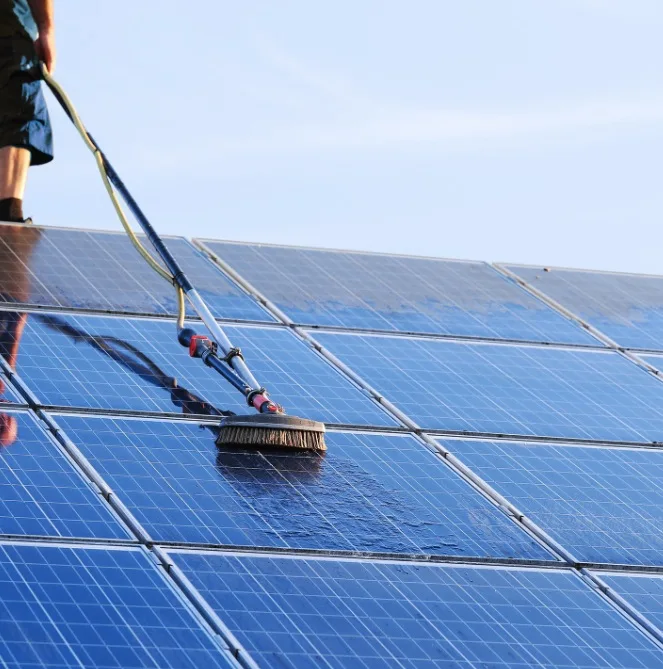
3. Long-Handle Brush for Safe Ground-Level Cleaning
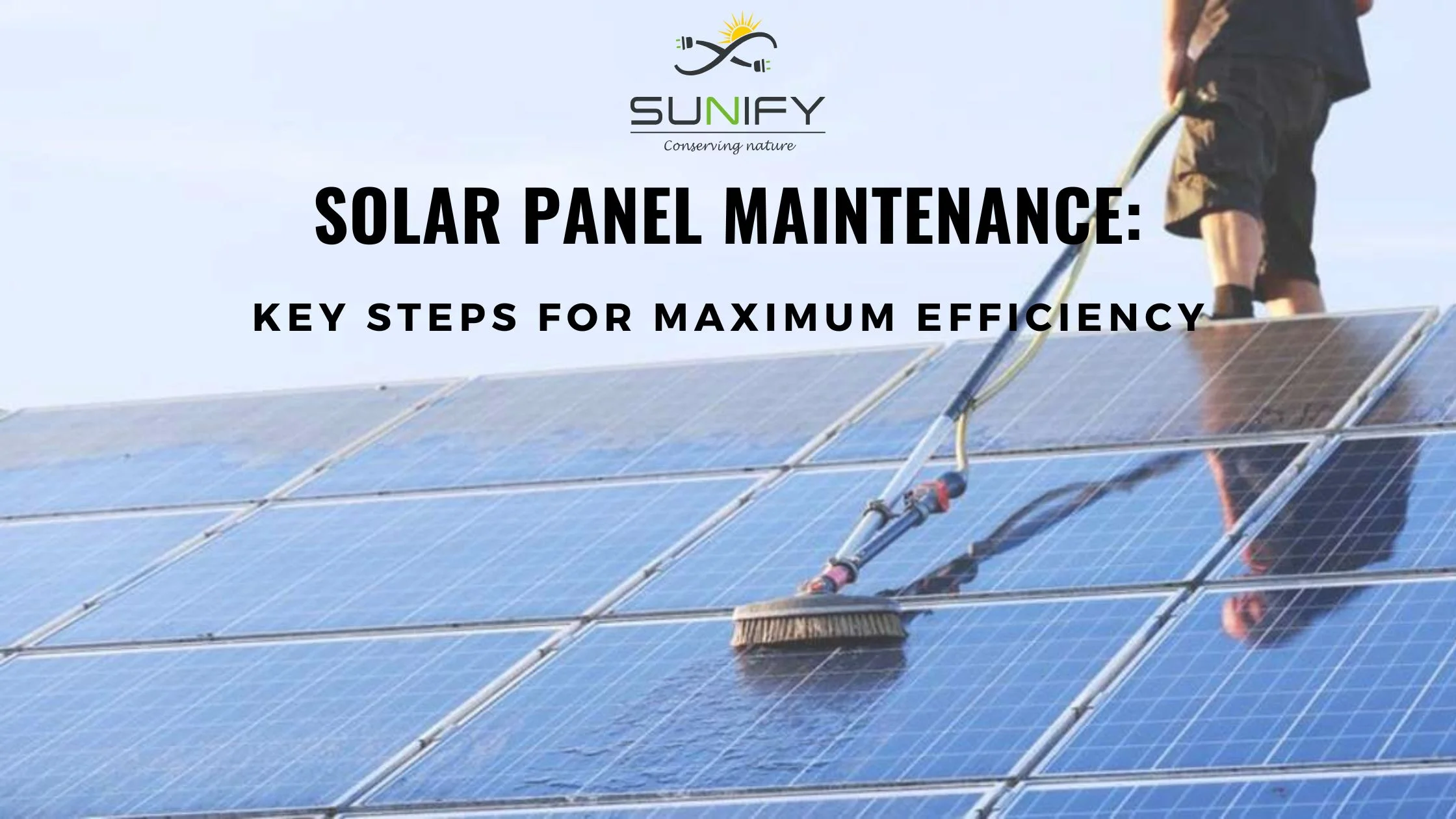
Instead of climbing or risking falls, use a telescopic brush. It allows you to reach every corner of your pv panels safely. This method is popular in residential solar panel cleaning because homeowners can clean rooftops without stepping onto dangerous surfaces.
4. Vinegar-Based Solar Panel Cleaning Solution
Create a natural solar panel cleaning solution by mixing vinegar, water, and mild soap. Vinegar breaks down tough bird droppings, sticky dirt, and pollution stains without damaging the glass. It’s an eco-friendly and affordable method suitable for both small home systems and commercial solar panel cleaning needs.
5. Microfiber Cloth for Spot Cleaning
Some stains are stubborn and need careful spot cleaning. A microfiber cloth removes marks without scratching the fragile coating. Use it after rain or during monthly checks to maintain maximum clarity.
6. Let Rainwater Assist in Cleaning
Rain helps remove loose dust and pollen. After rainfall, simply wipe with a microfiber cloth to eliminate streak marks. This simple method saves time and reduces the need for frequent manual washing.
7. Leaf Blower Method for Dry Dust
If dust is dry and loose, water is not necessary. Use a leaf blower to remove debris before it settles. This helps maintain your solar panel maintenance routine with minimal effort, especially in dusty regions.
8. Squeegee for Streak-Free Finish
After rinsing, water spots may block sunlight. A squeegee removes water evenly and leaves a polished surface. This is particularly helpful for large solar arrays or high-performance solar pv system models.
9. Hose Extension for Hard-to-Reach Areas
Attach an extension to your hose pipe to reach distant spots safely. This method ensures uniform cleaning across slanted or elevated panels. Make sure the water pressure stays low to protect seals and wiring.
10. Weekly Bird Dropping Check
Bird droppings block more sunlight than dust and can become acidic over time. A quick weekly wipe prevents permanent stains and maintains overall solar panel efficiency.
DIY vs Professional Solar Panel Cleaning Comparison Table
|
Feature |
DIY Cleaning |
Professional Cleaning |
|
Cost |
Low |
Higher solar panel cleaning cost (₹300–₹1500 per kW) |
|
Safety |
Moderate |
High – trained experts |
|
Tools Needed |
Basic solar panel cleaning tools |
Industrial-grade equipment |
|
Frequency |
Monthly or bi-monthly |
Once or twice a year |
|
Best For |
Homes & small rooftops |
Large rooftops & commercial plants |
Conclusion
Consistent cleaning is essential for maintaining high-performance solar systems. Whether you perform residential solar panel cleaning yourself or hire professionals for commercial solar panel cleaning, regular maintenance protects your investment, boosts daily output, and ensures long-term durability.
With the right tools and simple habits, you can easily maintain your solar panel, improve your solar panel efficiency, and extend the lifespan of your solar pv system. Sunify Solar encourages homeowners to adopt safe, DIY-friendly cleaning practices that preserve performance and maximize returns for years.
FAQs — People Also Ask
1. What is the best way to clean solar panels?
Soft water, mild soap, and a soft brush are the best way to clean solar panels safely and effectively.
2. How do I clean solar panels at home?
Use gentle soap, soft water, a microfiber cloth, or a cleaning brush. This method is ideal for diy solar panel cleaning without damaging your system.
3. Does cleaning improve solar panel efficiency?
Yes cleaning restores lost power. Dirty panels reduce solar panel efficiency, while clean panels deliver optimal performance.
4. How much does solar panel cleaning cost?
The solar panel cleaning cost varies depending on system size, typically ₹300 to ₹1500 per kW.
5. Are solar panel cleaning kits useful?
A solar panel cleaning kit is helpful, especially for beginners, as it includes all essential tools for proper maintenance.
Share this post :




Whatsapp Chatx
Hi! Click one of our representatives below to chat on WhatsApp or send us email to solar@sunifysolar.in

|
************** +91 81414 55503 |
